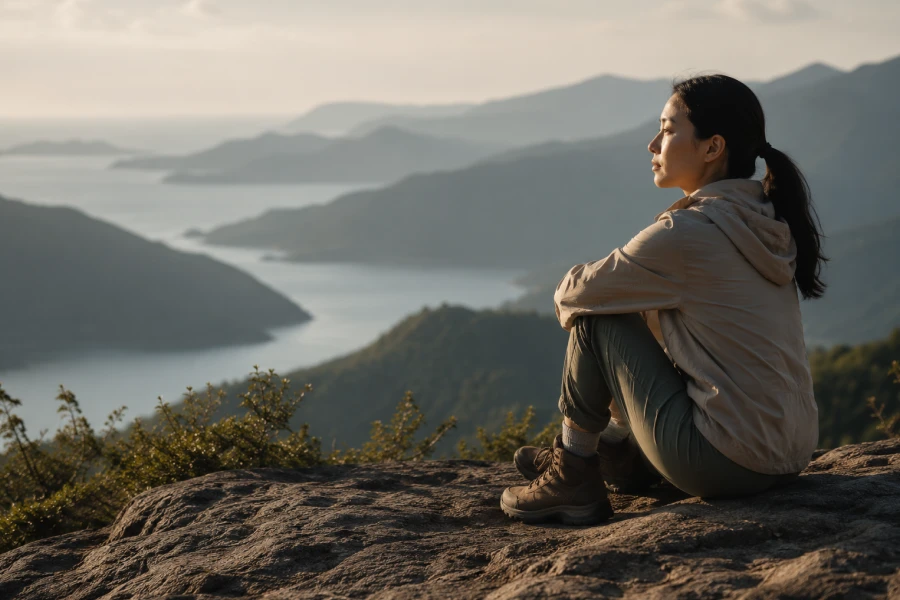
Modern life can crowd attention with alerts, obligations, noise, and unfinished thoughts. Hiking for mental health offers structured time to move through a setting that asks for different kinds of attention. The trail does not erase stress, grief, anxiety, or depression. However, movement and nature can create space for perspective, sensory grounding, and a temporary change of pace. Benefits may come from several sources, including physical activity, daylight, scenery, companionship, and reduced screen exposure. A short local path can feel just as meaningful as a dramatic mountain route. The key is choosing an outing that feels safe and manageable. Mental well-being should never depend on completing a difficult objective. Professional care remains essential when symptoms are persistent, severe, or dangerous. The trail works best as supportive practice, not a substitute for treatment.
Changing environments can interrupt repetitive cues that keep stress close to the surface. On a trail, attention shifts toward footing, weather, sound, and direction. This does not solve the original problem, but it can reduce mental crowding temporarily. Rhythmic walking also gives thoughts room to move without demanding immediate conclusions. Choose a route that feels familiar when emotional energy is low. Uncertainty can add stress if navigation or terrain exceeds your comfort. Explore outdoor stress relief and nature-based exercise as complementary supports within a broader wellness plan. Leave performance goals behind when they create pressure. A slow walk with several pauses can still provide meaningful restoration. Useful distance comes from changing the setting, not escaping responsibility forever.
Sensory details can anchor attention when thoughts feel scattered or repetitive. Notice the temperature of the air, the sound of leaves, and the pattern of light. Feel each foot contact the ground without forcing the experience to become meditative. Let attention wander and return naturally. Photography can deepen observation, although constant phone use may reintroduce digital noise. Try several minutes without headphones when the environment feels safe. A simple a reserved weekend outing can reserve this time before the schedule fills. Avoid judging whether you feel calmer quickly enough. Some outings feel energizing, while others simply provide a neutral pause. Both experiences can hold value.
Wellness culture sometimes turns restorative activities into another arena for achievement. The longest route, highest summit, or fastest pace is not automatically the most helpful choice. Match the outing to current sleep, stress, mobility, and emotional capacity. Choose an easy path when decision-making already feels difficult. Bring familiar food, clothing, and company to reduce unnecessary friction. A practical beginner hiking tips and hiking motivation approach keeps expectations grounded. Cancel or shorten the hike when weather or symptoms make it unwise. Flexibility protects the habit from becoming punishment. You do not need a transformative revelation from every walk. Repeated ordinary experiences often support well-being more reliably.
Some people restore themselves through solitude, while others feel safer and lighter with company. Decide which form of connection supports the day you are having. A trusted companion can provide conversation, practical safety, and shared attention. Solo hiking can offer quiet, but it requires appropriate preparation and communication. Tell someone the route and expected return time. Join local groups when community feels motivating and the pace matches your ability. Respect boundaries around serious conversations during physically demanding sections. Let silence happen without treating it as awkward. Shared scenery can create connection even when few words are exchanged. The right social setting makes the trail feel supportive rather than performative.
A repeatable ritual reduces the effort required to begin. Keep basic gear organized and choose several nearby routes for different energy levels. Schedule an outing before the week becomes crowded. Prepare water, snacks, and weather layers the night before. Start with a duration that leaves you wanting to return. Record how you felt before and after without expecting a specific result. The responsible trail habits and sustainable outdoor living mindset can deepen connection by linking care for yourself with care for place. Repetition helps the environment become familiar and reassuring. Missing a planned hike does not represent failure. Resume with the easiest available option.
Outdoor activity cannot replace professional assessment, therapy, medication, or crisis support when those services are needed. Seek help when distress persists, daily functioning declines, or thoughts become unsafe. Do not hike alone during a crisis or when concentration is severely impaired. Contact emergency services or an appropriate crisis resource when immediate danger exists. Tell a trusted person what is happening rather than relying on isolation. The wider post-hike physical and emotional recovery framework includes emotional recovery, rest, and asking for support. Continue gentle outdoor time only when it feels safe and clinically appropriate. Mental health care can include many tools working together. A trail may support breathing room, but people provide treatment and protection. Strength includes recognizing when the next step leads toward help.




Leave a comment