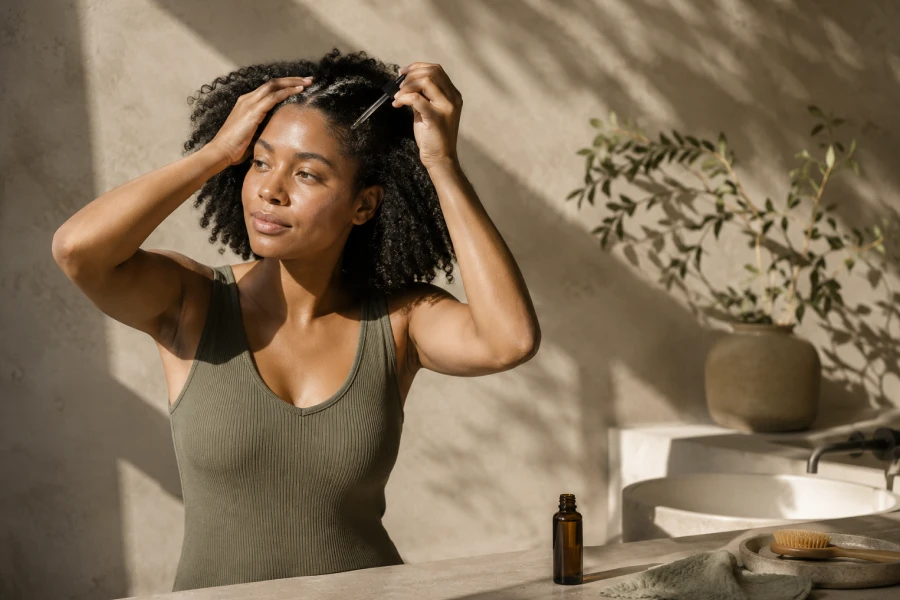
Beautiful hair often gets discussed from the ends upward, although lasting care begins closer to the skin. A healthy scalp routine creates a cleaner, calmer foundation for every styling choice that follows. It helps you notice oil, dryness, buildup, and sensitivity before those concerns become frustrating patterns. Instead of chasing random products, you can make decisions based on what your scalp actually needs. That shift saves time and encourages consistency without turning hair care into another demanding project. Small observations matter because scalp comfort can change with weather, stress, workouts, and wash frequency. A thoughtful approach also reduces the temptation to scrub harder whenever results feel slow. Gentle habits usually offer a more sustainable path than aggressive resets. The goal is not perfection, but a routine you can repeat with confidence. Stronger decisions at the roots can support healthier-looking hair throughout its length.
Scalp care works best when you treat the skin as living tissue, not merely a place where hair appears. Oil protects the surface, yet excessive residue can leave roots heavy and uncomfortable. Dryness creates a different challenge, especially when harsh cleansing strips away too much natural moisture. Begin by observing how your scalp feels before washing and again one day afterward. This simple comparison reveals patterns that product labels cannot predict. A practical scalp health routine and hair growth support approach starts with those personal signals. Consider itching, tightness, flakes, tenderness, and rapid oil return as useful information rather than cosmetic failures. Record changes after introducing one product, instead of replacing the entire shelf at once. Clear observations make adjustments easier and prevent unnecessary spending. Over time, your routine becomes responsive instead of reactive.
Product selection becomes simpler when you stop assuming every flake means the same thing. A dry scalp may feel tight, while oily buildup often feels coated or sticky. Some conditions can look similar but require different care, which makes careful observation especially important. Check whether discomfort appears after coloring, heat styling, intense exercise, or seasonal weather changes. Notice whether a new shampoo improves comfort or creates more irritation after several uses. Choose formulas according to current needs, not social media popularity. The resource on a simple observation worksheet can help organize those observations into a clearer plan. Avoid applying concentrated oils automatically, because they do not suit every scalp concern. Patch testing also gives sensitive skin a safer introduction to unfamiliar ingredients. Persistent pain, sores, sudden shedding, or severe scaling deserve professional evaluation rather than continued experimentation.
Cleansing should remove sweat, excess oil, and styling residue without making the scalp feel stripped. Apply shampoo mainly near the roots, then let rinsing water carry foam through the lengths. Use fingertips rather than nails, since scratching can increase irritation and damage delicate skin. Lukewarm water usually feels kinder than very hot water during repeated washing. Frequency should reflect oil production, activity, hairstyle, and product use instead of a universal calendar. Someone exercising daily may need a different rhythm than someone wearing a protective style. A focused a milder washing method method keeps the process effective without unnecessary friction. Rinse thoroughly around the crown, hairline, and behind the ears where residue can remain. Clean tools and pillowcases regularly because they repeatedly contact both scalp and hair. Consistent technique often matters more than buying another specialized bottle.
Comfort depends on balance, so moisture should support the scalp without creating a heavy coating. Lightweight products may work well for tightness, while richer formulas can overwhelm oil-prone roots. Apply treatments in sections when possible, which improves control and reduces accidental overuse. Gentle fingertip massage can feel relaxing and help distribute a suitable product evenly. Pressure should remain comfortable, never sharp or forceful. A few minutes is enough, especially when tenderness or inflammation is present. Explore scalp moisture balance and scalp massage techniques for a more structured approach to these steps. Protect the scalp from excessive heat by lowering dryer settings and maintaining reasonable distance. Tight hairstyles also deserve attention because repeated pulling can stress the hairline. Daily comfort provides a better success measure than temporary shine alone.
A weekly rhythm removes decision fatigue and makes results easier to interpret. Assign basic actions to specific moments, such as washing after workouts or cleaning brushes on Sundays. Keep the routine small enough to survive busy weeks, travel, and changing schedules. One dependable shampoo, one appropriate conditioner, and one targeted treatment may provide sufficient structure. Add new steps only when they solve a clearly identified problem. Take occasional photos in similar lighting if visual tracking helps, but avoid daily comparison. Hair and scalp changes rarely follow a perfectly straight timeline. Sleep, nutrition, medication, hormones, and illness can influence what you observe. Consistency means returning to supportive habits, not following them rigidly without context. A flexible weekly pattern protects progress while respecting real life.
Home care has limits, and recognizing them protects both comfort and confidence. Seek medical advice when symptoms persist, worsen, or interfere with sleep and daily activities. Sudden patches of hair loss, bleeding, spreading redness, or painful bumps need timely attention. A dermatologist can distinguish common dryness from conditions that require targeted treatment. Bring a list of products, recent changes, and symptom timing to make the appointment more useful. Avoid hiding symptoms under heavy oils or frequent styling before an evaluation. The broader personalized scalp care and root-to-tip hair wellness framework can support everyday habits after serious concerns are addressed. Continue gentle cleansing unless a clinician recommends another plan. Real progress often comes from combining sensible routines with appropriate expertise. Healthy hair begins with listening carefully to the skin beneath it.




Leave a comment