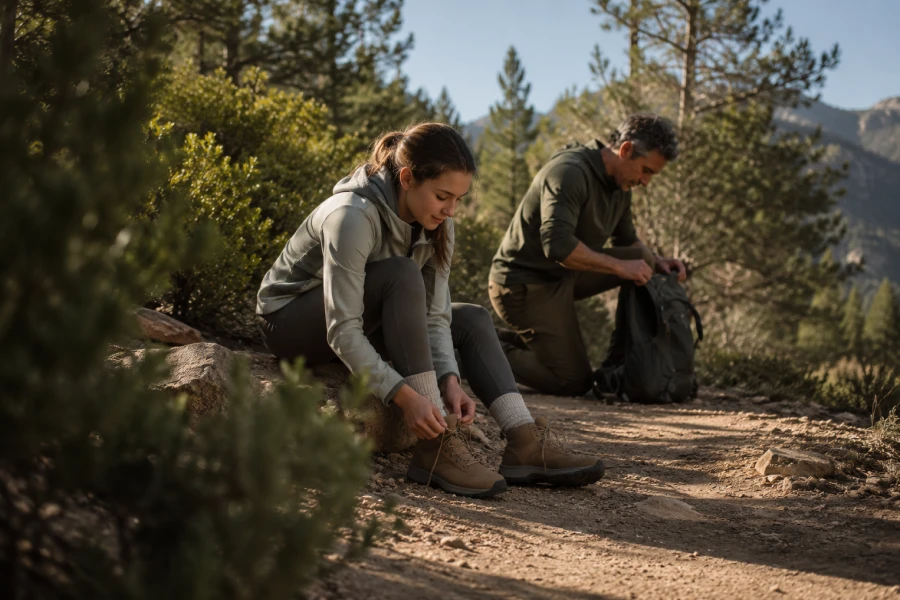
Starting to hike does not require expensive gear, extreme terrain, or an adventurous personality. A beginner hiking routine works when it turns limited weekends into manageable, repeatable experiences. Begin with local routes that match your current walking ability and available daylight. Familiarity reduces planning stress and leaves more attention for pace, footing, and enjoyment. Basic preparation matters more than buying every outdoor accessory at once. Comfortable footwear, water, weather layers, navigation, and a simple emergency plan cover essential needs. Increase difficulty slowly so confidence grows alongside fitness. Invite a supportive friend when company makes the first outing easier. People with medical or mobility concerns should seek appropriate professional advice. The best first season builds curiosity instead of exhaustion.
A useful routine simplifies decisions before you reach the trailhead. Keep a shortlist of easy routes with known distance, elevation, parking, and surface conditions. Match each option to available time and expected weather. Pack a small kit that can remain ready between outings, reducing forgotten essentials and rushed purchases. Choose clothing that allows movement and handles temperature changes. Bring more water and food when the route, heat, or travel time demands it. Review beginner hiking tips and safe trail planning before the first few outings. Tell someone where you are going when the area is remote. Start early enough to finish well before darkness. Reduced friction makes it easier to repeat the experience.
Distance alone does not reveal how difficult a route will feel across several changing trail conditions. Elevation gain, altitude, heat, mud, rocks, and navigation can change effort dramatically. Read recent trail reports and compare several descriptions. Choose a well-marked path with reliable access for early outings. A route that seems easy to experienced hikers may still challenge a new walker. Turnaround points provide flexibility when energy drops. Use trail-ready conditioning as a gradual process rather than a test of courage. Maintain a pace that allows conversation on moderate sections. Rest before exhaustion makes footing less stable. Finishing comfortably builds more confidence than struggling through an unsuitable trail.
Progress by changing one challenge at a time. Add a little distance before choosing much steeper terrain. Repeat familiar routes to learn pacing, notice improvement, and build confidence under predictable conditions. Keep an easier outing after a demanding weekend. Mild muscle soreness may occur, but sharp pain deserves rest and evaluation. Record duration, terrain, weather, and perceived effort in simple notes. A structured weekend hiking plan and hiking endurance approach can turn those observations into sensible next steps. Avoid adding heavy pack weight before basic walking feels comfortable. Recovery days support adaptation and motivation. Slow progress protects the habit from preventable setbacks.
Packing should address realistic risks without making the bag unnecessarily heavy, awkward, difficult to manage, or tiring over distance. Carry water, snacks, navigation, identification, weather protection, and a charged phone. Add a small first-aid kit appropriate for the route and your skills. Sun protection matters even when temperatures feel mild. A headlamp provides useful backup when delays could extend the outing. Keep essential items in predictable pockets so they remain easy to reach. Test footwear and clothing on shorter walks before relying on them remotely. Avoid wearing brand-new shoes on a long first hike. Pack out all trash, including food scraps and tissues. Simplicity works when every item has a clear purpose.
Habits grow when they have a consistent place in the calendar. Reserve one flexible window and identify a shorter backup route. Check conditions the day before, then prepare clothing and supplies. Invite people who respect the chosen pace and turnaround decisions. Keep the first hour after returning free for food, showering, and rest. Celebrate attendance rather than distance. The personal motivation and broader wellness value perspective keeps attention on how the outing supports daily life. Bad weather can shift the plan to a local walk or indoor strength session. Continuity matters more than preserving one exact format. A dependable weekend rhythm eventually requires less negotiation.
Safety improves when planning remains proportional to the environment. Check forecasts, closures, wildlife notices, and daylight before leaving. Carry a map or offline navigation when cell service may disappear. Stay on established routes unless local rules and experience support another choice. Turn around for storms, injury, confusion, or fading daylight. Drink and eat before fatigue becomes overwhelming. The broader responsible trail habits and hiking recovery approach protects both the hiker and the landscape. Respect private property, closures, and local regulations. Seek medical help for serious injury, heat illness, chest pain, or severe breathing difficulty. Enjoyment lasts when caution supports confidence rather than fear.




Leave a comment